
Cavities fixed quietly, in one sitting.
A white composite filling, color-matched on the spot and finished before you leave. Most PPO plans accepted.
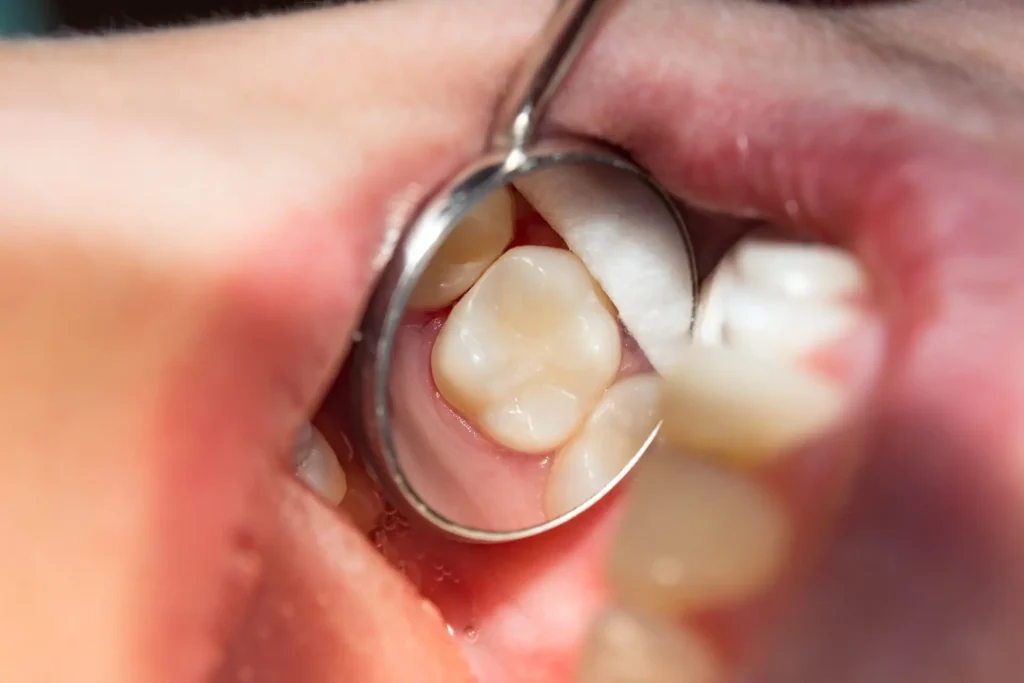
Why we use composite resin
Decay hollows out part of a tooth. A filling clears out the damaged material and replaces it, and at our Seattle office we do that with composite resin, a hard-wearing, enamel-colored material that bonds to the tooth. It’s the most common treatment in restorative care, and it stays a small job when the cavity is found early, typically during your regular exam and cleaning.
For most cavities today, composite is the standard choice over silver amalgam. It matches your tooth, keeps more of the healthy structure, and is finished at one appointment.
1. Numb. Local anesthetic first, so you’re comfortable throughout.
2. Clean out. We remove the decay. Since composite bonds rather than wedges in, the opening stays as small as possible.
3. Layer. Resin goes in thin layers, each one shaped to your tooth’s own grooves and edges.
4. Harden. A curing light sets each layer in a few seconds.
5. Finish. We check your bite, then polish until the filling feels like natural tooth.
With most visits running 30 to 60 minutes per tooth, a lot of our downtown patients slot a filling into a lunch hour or the end of the workday and head straight back out.
• Step by step
• Before After
White vs. silver: how the two compare
Nearly every new filling we place is composite. Silver amalgam shows up far less often now, though you may still be carrying some older ones. A quick comparison:
Color. Composite disappears into the tooth. Amalgam is gray-silver and easy to spot, more so the closer it sits to the front.
How much tooth is removed. Composite adheres to the tooth, so the opening can stay small. Amalgam stays put mechanically, which calls for a slightly bigger, undercut opening.
Wear. Both last. Amalgam has the longer history on heavy-chewing molars, but current composites hold up nearly as well.
Existing silver fillings. Cracked, leaking, or breaking-down amalgam should be swapped out. Intact ones can stay. Our composite vs. amalgam comparison goes deeper on strength, safety, and looks, and we’ll give you a tooth-by-tooth recommendation at your exam.
How many years will a filling hold up?
A composite filling usually lasts 7 to 10 years, often longer if you look after it. The things that protect the filling are the things that protect the whole tooth: brushing, flossing, and checkups where we can catch early wear. Even better is not needing the next filling at all, and our guide on how to prevent cavities lists the habits that make the most difference. When a filling finally wears out, swapping it is the same quick, single-visit job.
Filling prices in Seattle
Around Seattle, a composite filling generally costs $250 to $445 before insurance. The exact figure depends on the tooth and how many of its surfaces the decay has reached. Fillings fall under most PPO plans, and we confirm your benefits ahead of time and give you a written number, so there’s nothing to guess at once you sit down. Want to pay over time? See our insurance and financing options.
Keep the bigger picture in mind: a filling is the inexpensive repair. Fixing a small cavity now costs a fraction of the crown or root canal it can turn into.
• Usual price range
• $250–$445
Common filling questions
Is a white filling as tough as a silver one?
Should my old silver fillings come out?
How long is a filling visit?
Will it hurt?
What’s the price of a filling?

Book a visit
No rush. No judgment. No surprises.